

The short version of this Resident Evil 2026 review is that Zach Cregger has finally made the franchise feel like survival horror rather than an expensive tour through its own memorabilia. This is a tense, wintry and satisfyingly physical ordeal built around a hero who looks genuinely worried whenever something tries to eat him. Its comedy occasionally releases too much pressure, and its supporting characters are more functional than memorable, but the film understands the essential appeal of Resident Evil: staying alive should look difficult.
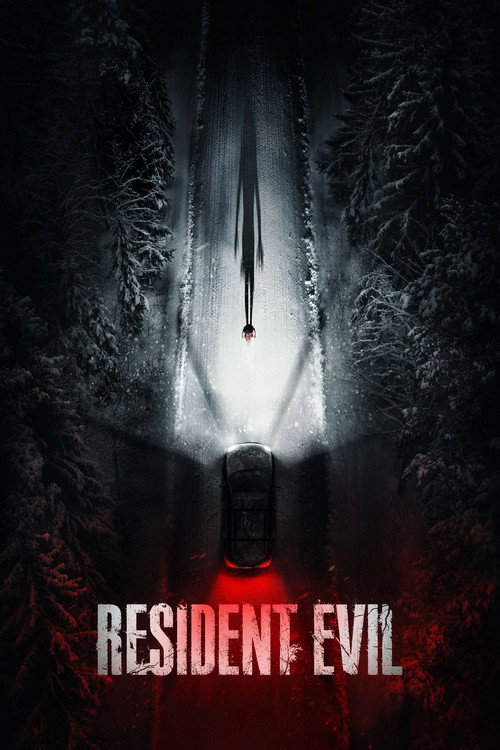
Resident Evil (2026)
- Runtime
- 95 min
- Genres
- Horror, Science Fiction, Adventure
- TMDB audience score and vote count
- 7.3 / 10 · 971 votes
Our verdict
A tense, tactile survival-horror ride that finally captures the games’ vulnerability rather than merely recycling their lore. Austin Abrams keeps the ordeal human and funny, although the jokes and thin supporting characters occasionally soften its bite.
That sounds obvious, yet it has repeatedly eluded adaptations attracted to the games’ monsters, conspiracies and iconography without capturing the vulnerability that makes those ingredients frightening. Cregger’s film gets there by narrowing its attention. Bryan, played by Austin Abrams, is a medical courier trying to complete a final delivery on a winter night when his route toward Raccoon City becomes an escalating outbreak nightmare. Cregger directs from a screenplay credited to him and Shay Hatten. The setup is lean, perhaps to a fault, but it gives the movie a clean dramatic engine: keep moving, make quick decisions and hope the next mistake is not fatal.
Resident Evil 2026 review: The atmosphere does the heaviest lifting
For me, the atmosphere is the strongest part. Darkness, snow and constrained movement turn Bryan’s journey into a hostile obstacle course before the creatures have even done their worst. The cold does more than provide attractive horror imagery. It makes every delay feel dangerous, limits visibility and gives the landscape an indifferent menace. Raccoon City is not presented as a destination waiting to deliver familiar references; it is a bad idea looming at the end of an even worse road.
Cregger is patient enough to let uncertainty accumulate. The film does not race from one monster reveal to the next as though checking names off a franchise inventory. It gives Bryan time to assess spaces, misunderstand danger and discover that an apparently manageable problem has developed teeth. That restraint matters because Resident Evil works best when information arrives slightly too late. The audience should understand the danger a second before the character does, then realize that understanding it is not the same as escaping it.
The 95-minute runtime keeps the film moving, but the pace rarely feels breathless for its own sake. There is a controlled build-up inside the forward momentum: a pause to examine the available options, an attempt to improvise, then the unpleasant discovery that the environment is not cooperating. The movie creates tension from limited control rather than simple speed. It feels closer to fumbling with an inventory while something approaches than watching an invincible hero clear a room.
Austin Abrams makes panic more useful than swagger
Austin Abrams is the movie’s inspired choice. Bryan is anxious, decent and visibly underprepared, which makes him far more engaging than another grim operator arriving with enough ammunition to solve the outbreak personally. Abrams does not play helplessness as stupidity. Bryan can think, adapt and act, but each decision carries the strain of someone inventing a survival strategy several seconds after he needs it.
That reactive quality translates the games’ vulnerable player perspective into convincing screen drama. Bryan’s competence is practical rather than glamorous. His victories come from observation, persistence and the willingness to try something undignified when the heroic option is unavailable. Physical fear remains visible even when he succeeds, so the movie never mistakes survival for dominance. The performance keeps the ordeal human: we are not waiting for Bryan to transform into an action figure, only for him to find one more way through.
Abrams is also funny, and much of the humor grows naturally from panic. A nervous response can make the danger feel sharper because it acknowledges how absurdly awful the situation has become. The problem comes when that release turns into reassurance. Too many jokes remind us that the movie knows it is entertaining, precisely when the horror needs to stop winking and become unsafe. Abrams lands the tonal shifts better than the screenplay always earns them.
The action is built around survival, not superiority
The action works because it treats failure as part of movement. Plans falter, physical space matters and Bryan cannot simply shoot through every complication. Each scramble has an immediate practical question beneath it: where can he move, what can he use and how much time has the latest bad decision cost him? That emphasis gives the set pieces shape. The geography remains important because escape depends on understanding it.
This is a welcome contrast with frictionless gunplay, where hordes become visual noise and danger disappears beneath marksmanship. Cregger makes bodily jeopardy the attraction. Movement has effort, collisions have weight and proximity matters. The result is gruesome without becoming numbingly mechanical. Even when the film embraces spectacle, it remembers that the person at the centre of it would rather be anywhere else.
The creatures benefit from a hybrid approach. Cregger identified Legacy Effects as responsible for physical creature work and Wētā FX for digital work, while discussing a roughly 2,000-pound puppet operated by four people. The finished monsters should not be reduced to a simplistic practical-versus-CGI argument; the value is in how the methods cooperate. Their physical presence gives Abrams something with apparent mass and resistance to react against, while digital augmentation expands what those bodies can do. The best effects here do not call attention to the technique. They make the threat occupy the same hostile space as Bryan.
That tactile emphasis is also why the film feels more persuasive than many polished franchise revivals. It shares some DNA with the approach praised in our Evil Dead remake review: respect is more useful when expressed through physical intensity than through a parade of recognisable objects. Resident Evil understands that viewers remember how horror feels long after they stop cataloguing Easter eggs.
The franchise identity comes from experience, not imitation
Cregger has described the film as an original story positioned around the periphery of the Resident Evil 2 outbreak rather than a retelling of Leon Kennedy’s established plot. In his PlayStation interview, he frames the adaptation around recreating the survival-horror experience of the games. That distinction is the film’s smartest decision. It frees the story from dutifully reenacting scenes players already know while retaining the helpless forward momentum that makes the source material distinctive.
The Resident Evil connection therefore comes through limited control, incomplete information and hostile spaces rather than plot imitation. Bryan is not important because franchise history has declared him important. He is important because he is trapped inside its machinery. That perspective makes Raccoon City frightening again: not a beloved location being unveiled for applause, but an expanding disaster that does not care whether this particular civilian has a character arc.
Anyone wanting a more continuity-driven encounter with established characters may prefer the animated branch covered in our Resident Evil: Death Island review. Cregger’s film chooses a different route. It earns the name through texture and pressure, trusting that the franchise can survive without constantly pointing at its own display cabinet. That confidence makes it accessible to newcomers without flattening the qualities longtime players recognize.
A lean structure also means thinner emotional stakes
The trade-off is that the movie generates considerably more pressure than emotional depth. Its compact structure is disciplined when Bryan is solving immediate problems, but less convincing when the supporting cast needs to become more than outbreak equipment. People arrive with clear dramatic functions, supply conflict, information or temporary companionship, and then struggle to leave much emotional residue.
Even Bryan is more compelling as an improvising survivor than as a fully developed emotional centre. Abrams gives him enough decency and nervous specificity to carry the movie, but the screenplay’s relentless movement leaves limited room for the experience to reveal deeper layers. I cared whether he escaped because his vulnerability made each obstacle immediate. I was less invested in what the ordeal meant to him beyond the basic, entirely reasonable desire not to die.
This is where the comedy becomes more than a question of taste. A well-timed joke can reset the rhythm and make the next shock hit harder. Repeated self-awareness, however, can replace emotional development with charm. The movie occasionally reaches for another laugh when silence would let the consequences settle. Viewers who prefer horror-comedy will probably find the balance generous; anyone wanting sustained dread may feel Cregger keeps opening the pressure valve just as the room becomes unbearable.
Resident Evil is worth the hazardous trip
Those limitations stop Resident Evil from becoming a richer ensemble horror story, but they do not undermine its central achievement. Cregger has made an adaptation that understands play without imitating gameplay and respects the franchise without embalming it. The snowbound isolation, deliberate pacing and physically grounded threats restore vulnerability to a series that can easily disappear beneath lore and automatic weapons.
This is an easy recommendation for viewers who want accessible, gruesome survival horror with comic relief and a refreshingly ordinary lead. Newcomers do not need to complete homework before entering Raccoon City, while fans should recognize the more important fidelity beneath the original plot: uncertainty, scarcity and the humiliating work of staying alive. The jokes sometimes make the danger feel safer, and the supporting characters needed more room to become people. Even so, Resident Evil succeeds where it matters most. It turns survival back into an ordeal—and makes that ordeal a lot of fun to watch.
References
- Resident Evil | Sony Pictures Canada
- Resident Evil (2026) | Rotten Tomatoes
- “Mi compromiso es con los fans de los juegos”. Entrevista a Zach Cregger, director de Resident Evil
- Resident Evil credits – Metacritic
- Resident Evil Q&A: Director Zach Cregger shares inspirations and a new film teaser – PlayStation.Blog