The Game Review: Fincher Makes Control Feel Like a Trap
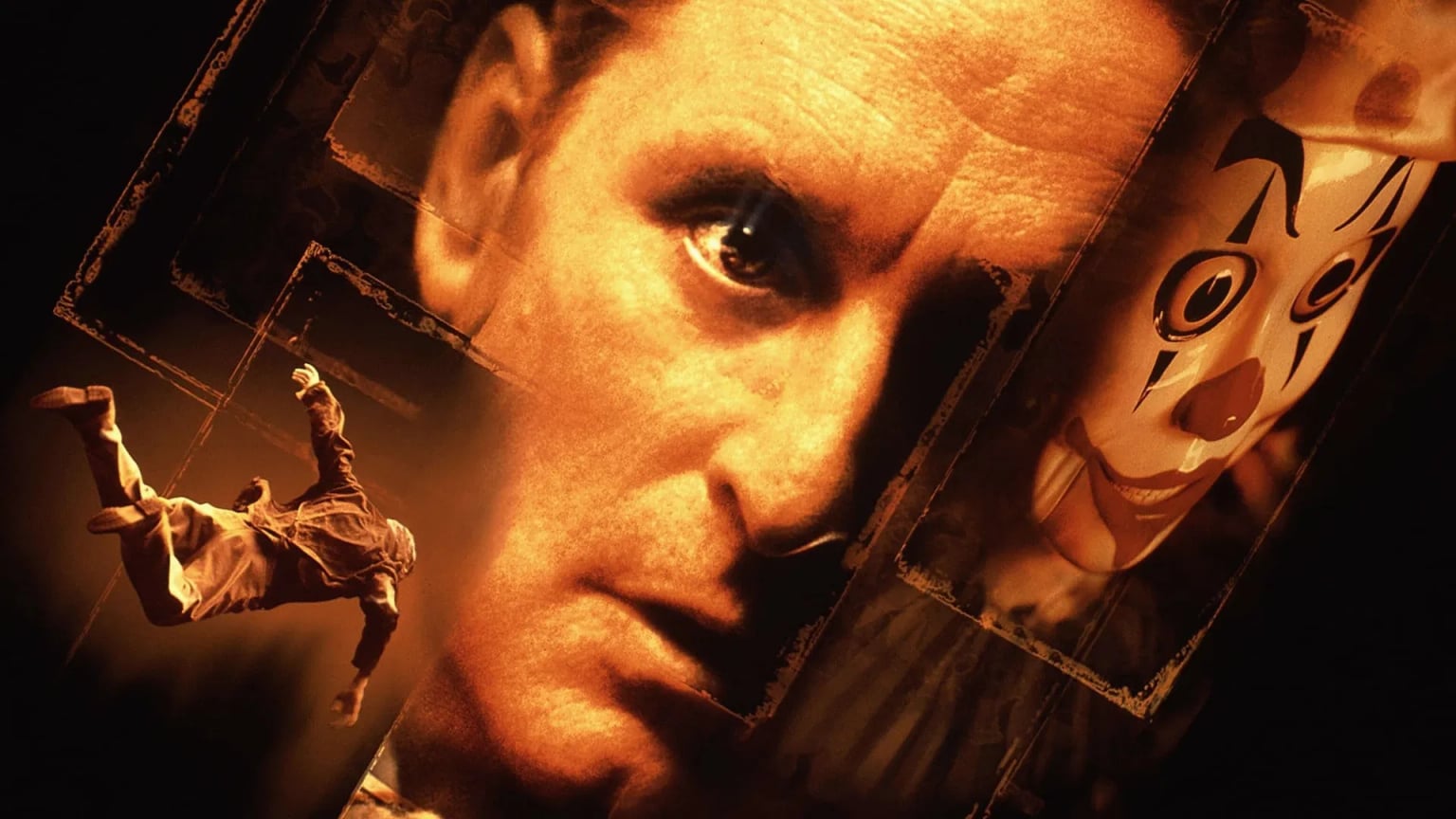
David Fincher’s exquisitely controlled paranoia thriller turns wealth and certainty into traps, with Michael Douglas anchoring its escalating nightmare.
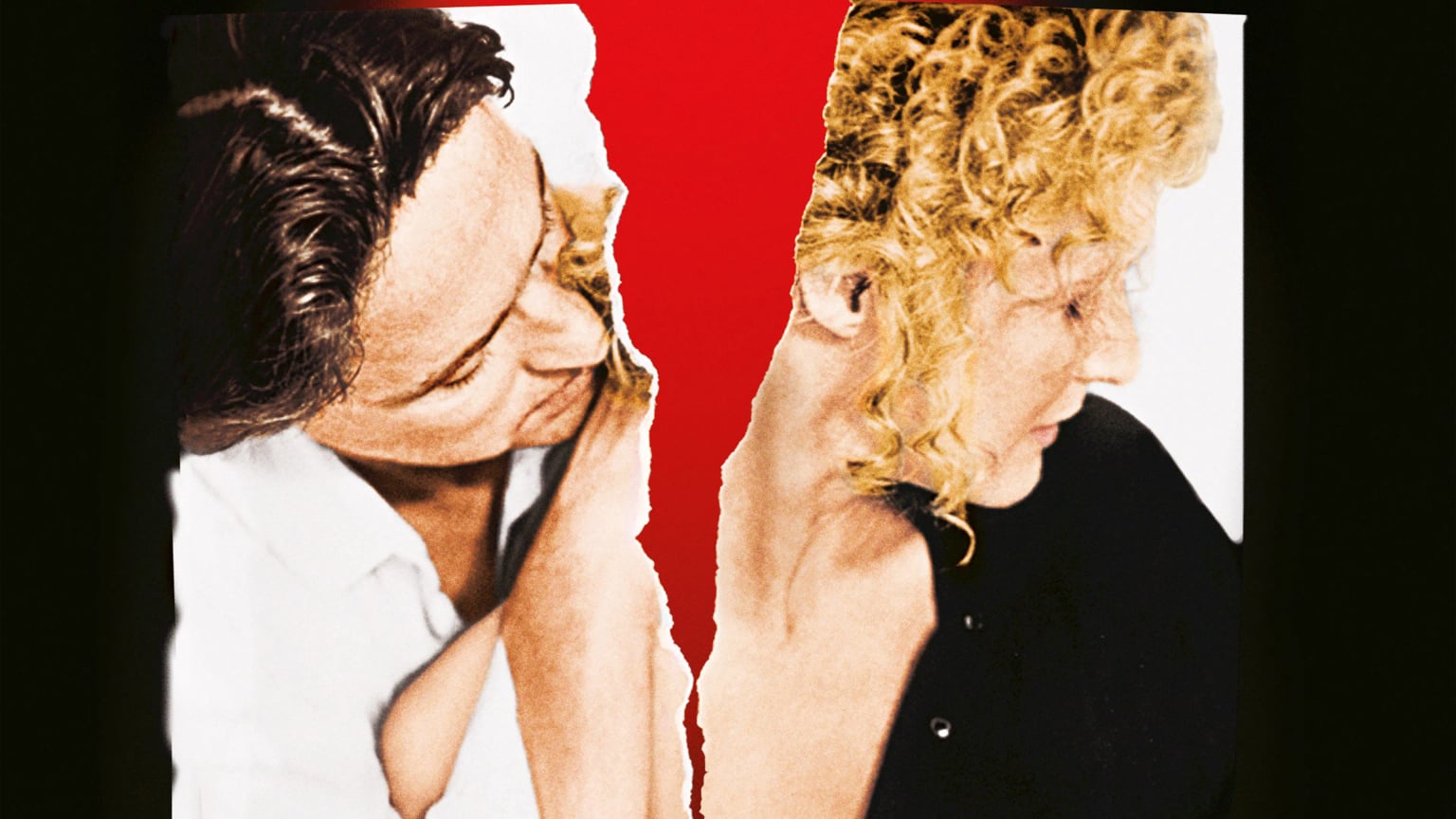
Adrian Lyne’s sleek psychological thriller remains gripping because Glenn Close preserves Alex Forrest’s humanity even as the story pushes her toward monstrosity.
Denis Villeneuve’s brutally controlled border thriller turns uncertainty into suffocating suspense, anchored by an excellent Emily Blunt.
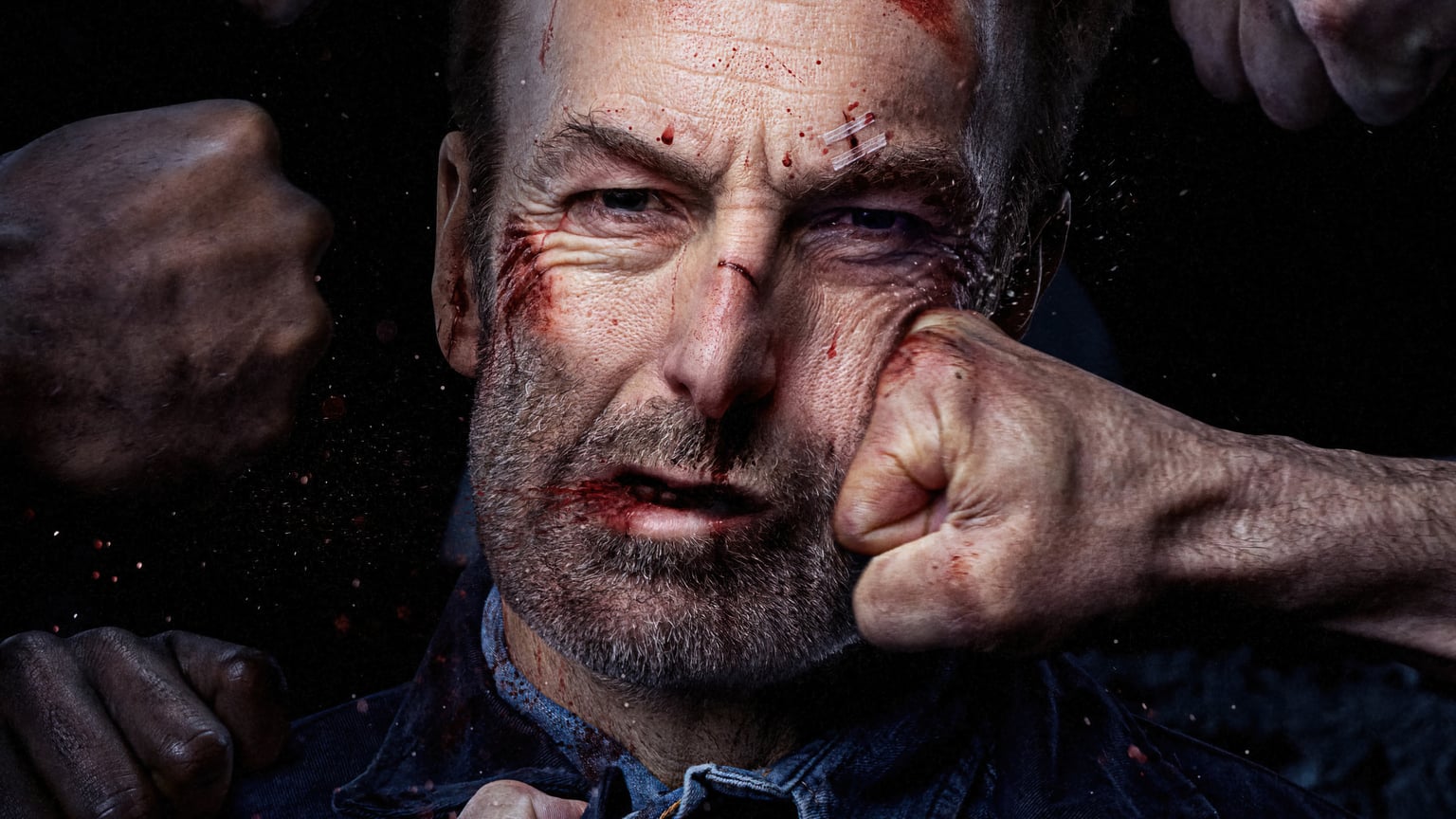
Bob Odenkirk’s battered physicality gives Nobody’s familiar revenge machinery real personality, even when its violent fantasy is less convincing than its action.
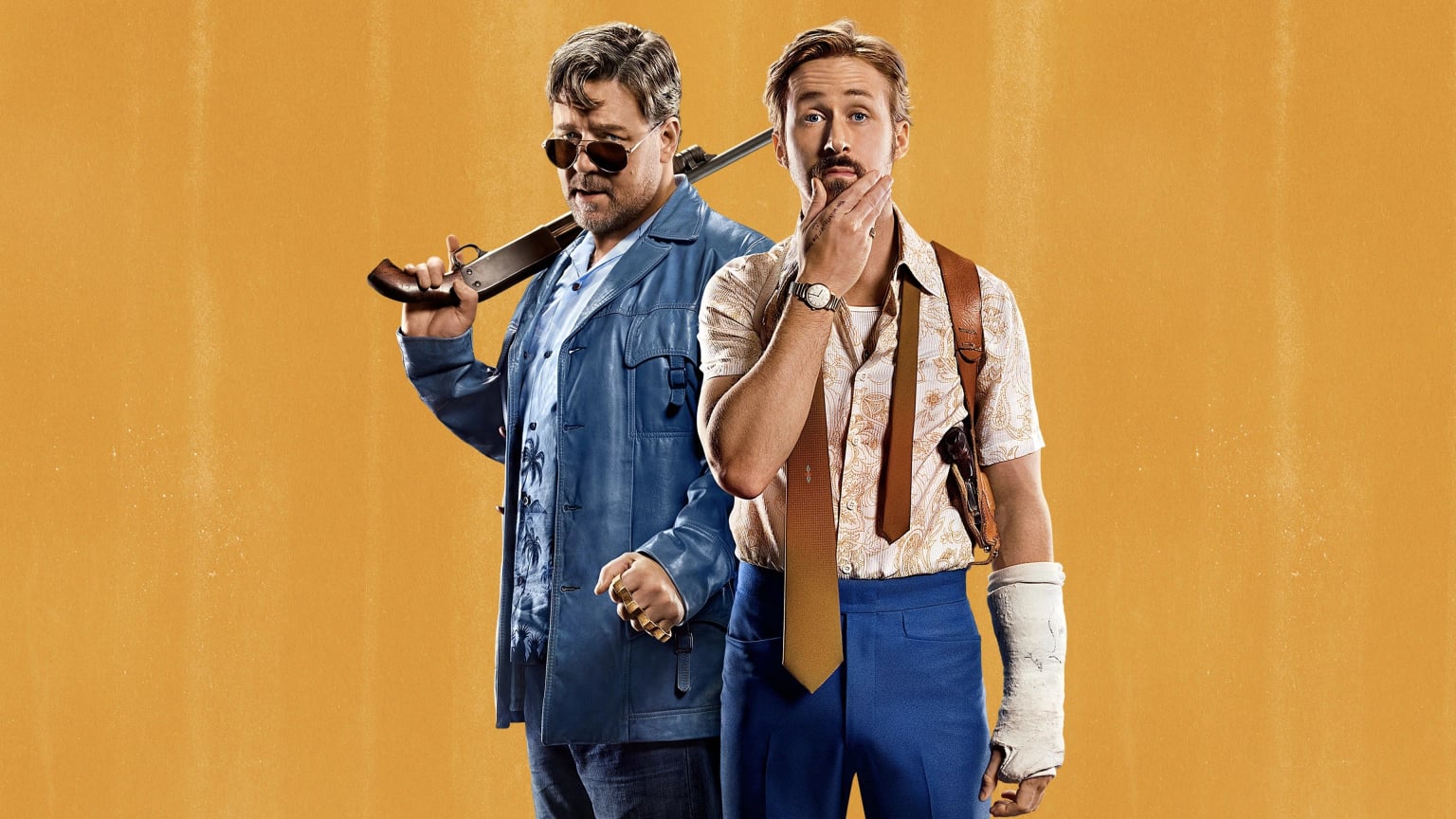
Ryan Gosling and Russell Crowe make spectacular failure look like a viable detective method in Shane Black’s filthy, funny comic noir. The conspiracy becomes needlessly tangled, but the chemistry, physical comedy and decadent 1970s atmosphere make The Nice Guys an easy recommendation.
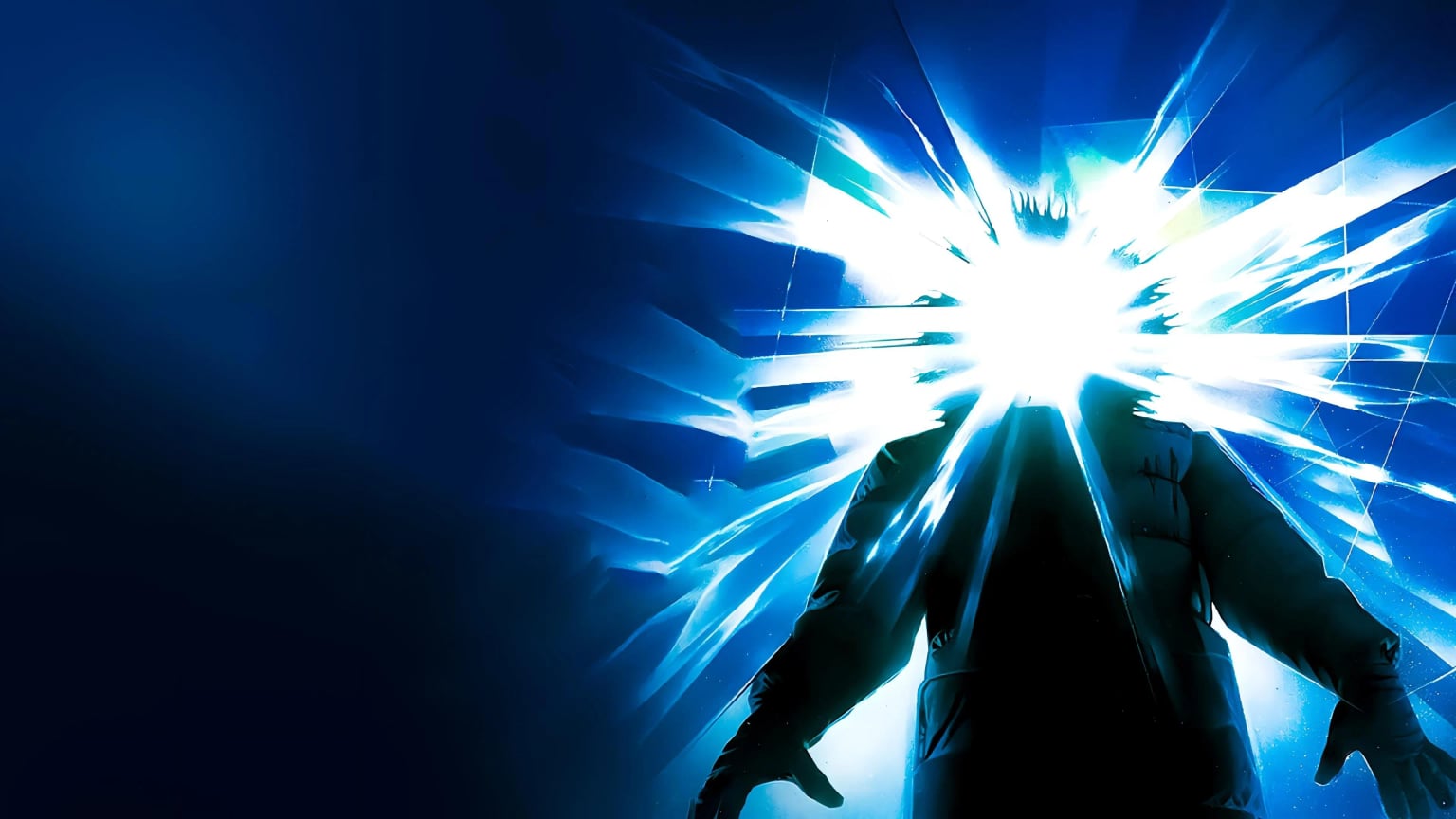
John Carpenter’s The Thing remains brutally effective because its isolation, practical effects and suspicious ensemble all serve one terrifying idea: appearances cannot be trusted.
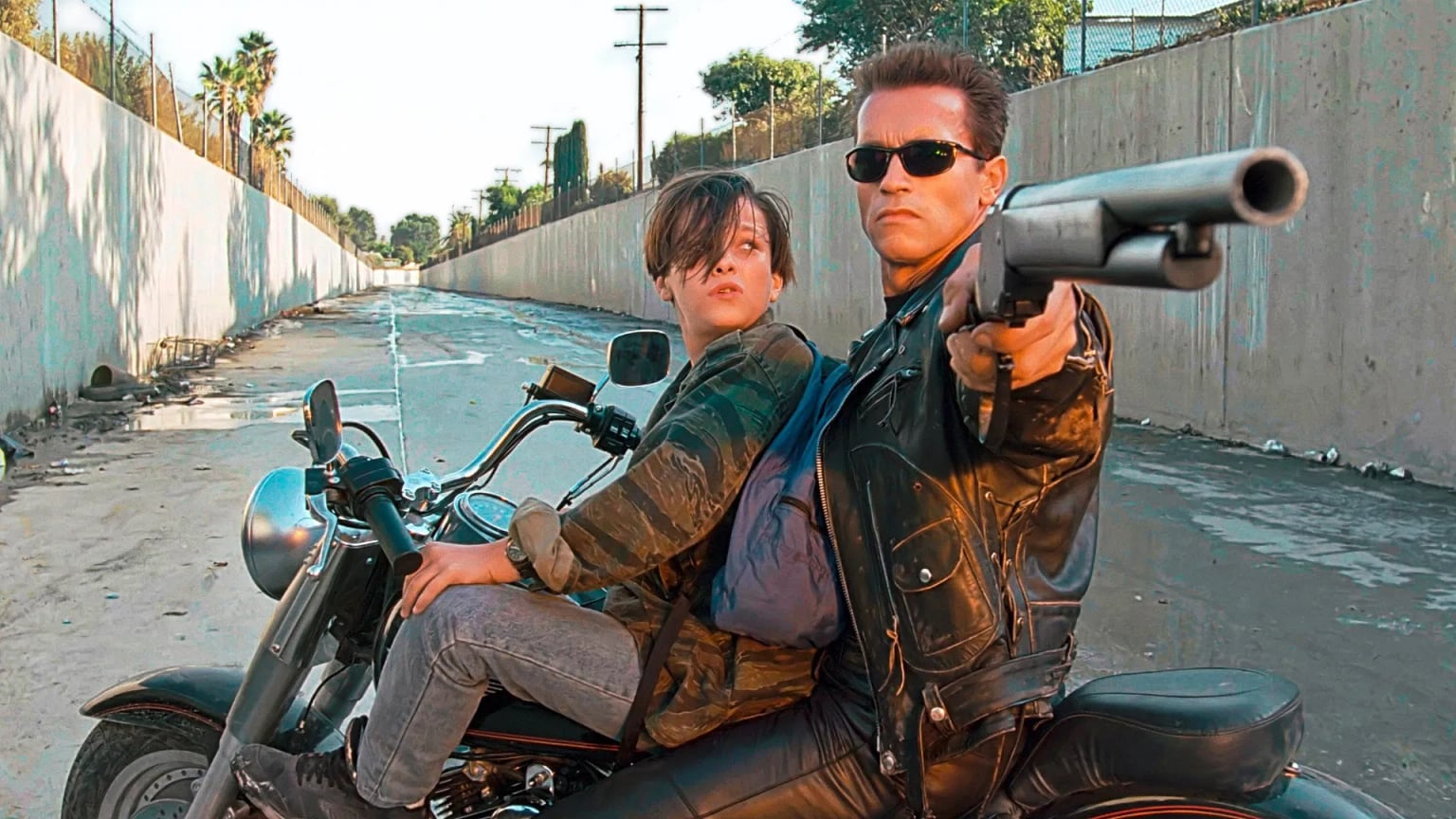
James Cameron turns bigger action into a human argument about trauma, responsibility and the possibility of choosing a different future.
Denis Villeneuve turns translation into gripping suspense, while Amy Adams gives Arrival’s ambitious science fiction a quiet, profoundly human center.
Denis Villeneuve delivers monumental spectacle while turning Paul Atreides’ rise into an increasingly troubling warning about charisma, revenge and manufactured destiny.
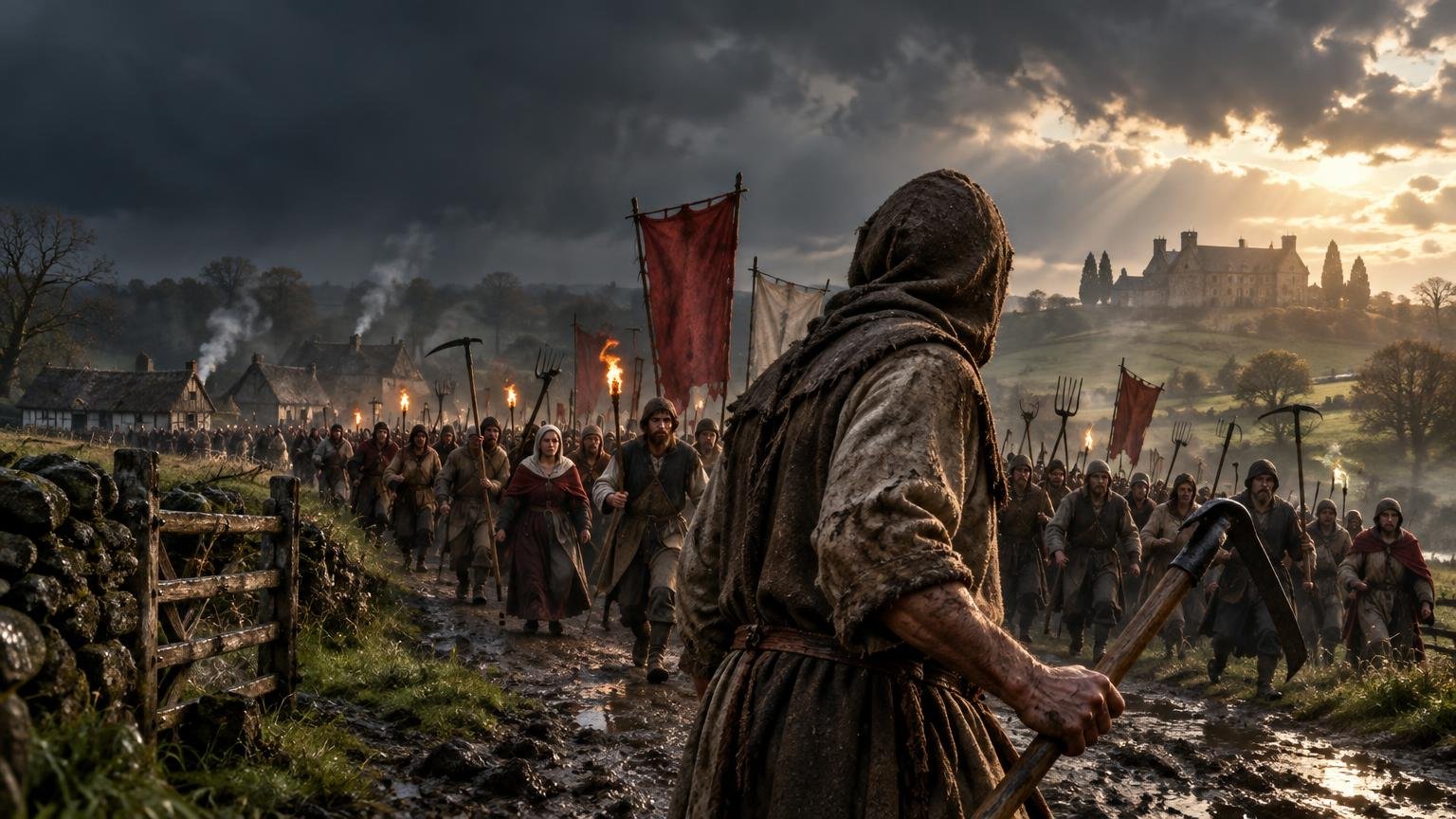
Paul Greengrass turns the Peasants’ Revolt into an urgent, politically angry historical thriller, only to lose specificity as collective struggle gives way to folk-hero mythology.
Angelina Jolie’s chamber drama has two committed leads and a grave atmosphere, but its static confrontation turns urgent moral questions into underdeveloped talking points.
A clever courtroom premise, committed performances and properly cruel slapstick turn Wile E. Coyote’s endless humiliation into a satisfying underdog comedy.
Zach Cregger’s Resident Evil captures the games’ vulnerability through wintry isolation, improvised action and an inspired anti-action hero.
Na Hong-jin’s Hope turns a rural creature mystery into sprawling science-fiction action. Its daylight dread and physical staging impress, but the long runtime and uneven effects may divide viewers.
John Carpenter’s The Thing remains a brutally effective fusion of paranoia, body horror and Antarctic isolation, with ambiguity that makes every answer feel unsafe.